
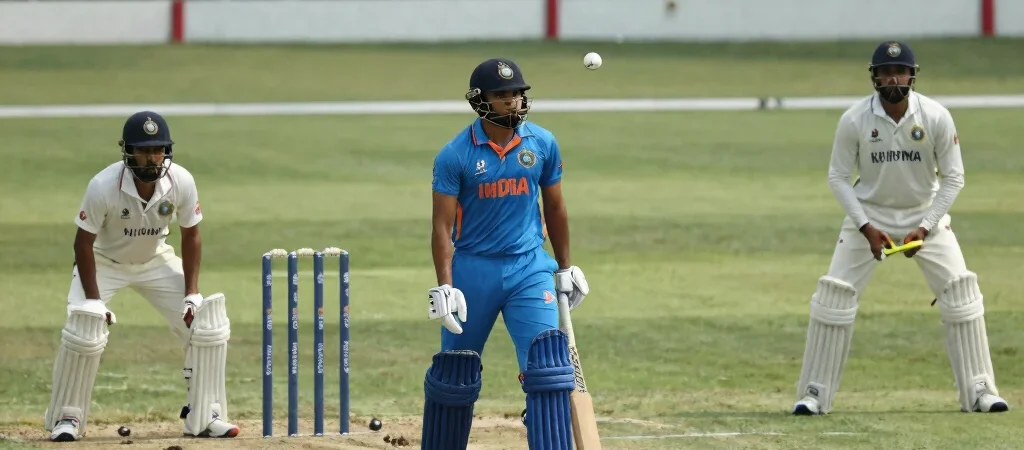
The final score arrives first in a group chat, but it rarely explains the match. In cricket, a chase can look comfortable until a pair of quick wickets changes the asking rate, or a modest total can become difficult when the pitch slows. A stronger match report shows where the contest shifted and what made that moment matter.
Read the innings in phases
Instead of treating an innings as one long stretch, look at its phases: the powerplay, the middle overs, and the finish. Ask whether a side preserved wickets early, built partnerships through the middle, or had enough hitters left for the closing overs. The same total can carry a different story depending on how it was assembled.
Put conditions in the frame
A pitch that offers turn, a damp outfield, or dew later in the evening can shape choices about batting order, bowling changes, and the toss. Conditions are context, not an automatic excuse for a result. Good coverage explains what players faced and avoids claiming that one factor decided everything unless the match itself supports that reading.
Look for the turning point
The turning point might be a partnership broken at the right time, a field change that closes a scoring option, or a batter who targets a particular bowler. Compare the score at that moment with the match situation, then ask what each side could still do. The scorecard records the outcome; the decisions around it give readers the match.