
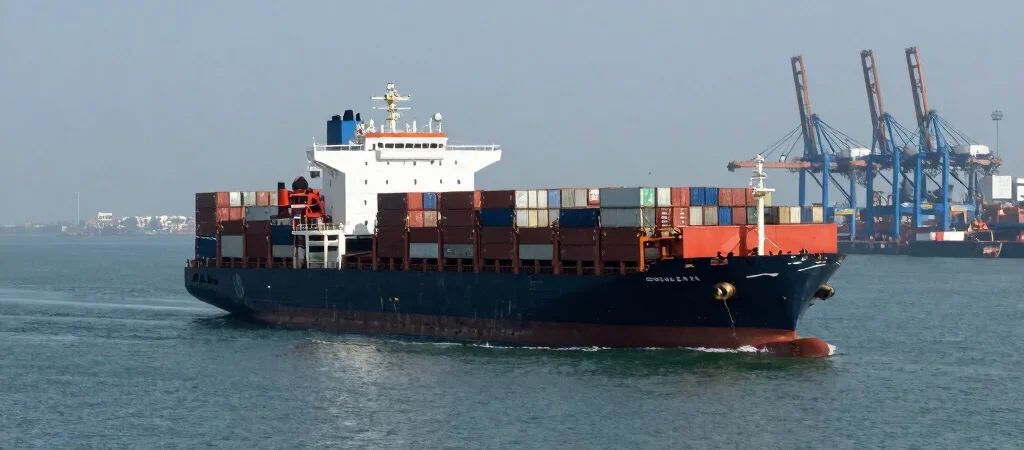
A map can put a faraway event thousands of kilometres from India, but distance alone does not tell readers whether it matters here. The more useful question is how a development might travel: through shipping routes, energy markets, currency movements, or decisions made by companies and governments. Following those links is better than assuming every international headline will have the same local effect.
Start with the point of connection
First identify the connection being claimed. A disruption near a major shipping passage, for example, may raise questions about routes, delivery times, and freight costs; it does not by itself prove that a particular Indian product will become more expensive. Look for reporting that names the route, the goods involved, and the people or firms directly affected.
Watch the evidence change
Early reports often describe uncertainty, while later updates may include official responses, market movements, or evidence that a feared disruption did not occur. Keep those stages distinct. A forecast is not a confirmed outcome, and one market move is not enough to explain a household bill.
Bring the story back home
To understand the India angle, check whether relevant ministries, businesses, ports, or industry groups have addressed the issue, and what they have actually said. Then look for the next concrete development rather than repeating an untested chain of consequences. International coverage is most valuable when it shows both the global event and the limits of what can yet be concluded.